Mind Over Matter is Inova Life with Cancer's psychoeducational program that teaches coping skills from diagnosis through survivorship. I led the UX research and strategy to launch it for Spanish-speaking patients and caregivers — interviews, market fit and comparative research, the program structure, and its tone and communication.
Supportive care is too often only available in English. Inova wanted to offer Mind Over Matter to Spanish-speaking patients and caregivers, and a direct translation wouldn't meet them where they are.
Interviewed Spanish-speaking patients and caregivers, researched market fit and how other organizations had launched Spanish cancer programs, and shaped the program's structure, tone and communication for Spanish-speaking audiences.
Mente Sobre la Materia launched as a free, virtual, five-week program in Spanish, open to participants anywhere in the country, and grew into a facilitator training program that brings it to other organizations.
Mind Over Matter teaches coping skills for the emotional and physical challenges of cancer. A quality-improvement project at Inova Life with Cancer (2018–2020) found it significantly reduced anxiety, depression and physical symptom severity. But like much supportive care, it was only available in English.
How might we design Mind Over Matter so Spanish-speaking patients and caregivers feel it was made for them, not translated for them?
The question that framed the workThe work started with the people it was for, then widened to how similar programs had succeeded elsewhere.
Conversations with Spanish-speaking patients and caregivers about how they experience a diagnosis, where they look for support, and what makes a program feel trustworthy.
Whether and how a Spanish program would reach its audience: format, timing, channels, and what would help people commit to five weeks.
How other companies and nonprofits had launched Spanish-language programs for cancer patients and caregivers, and what worked.
Family plays a central role, so caregivers were designed for from the start, not added later.
Four insights shaped every decision about how the program would look, sound and reach people.
Content had to be adapted in tone and examples, not just translated word for word.
Caregivers and loved ones are part of the journey and needed a place in the program.
A familiar, community-based partner made it easier for people to take the first step.
Evening, virtual and free sessions removed barriers of time, travel and cost.
The research became a concrete program — how it's structured, how it sounds, and how people hear about it.
Five 90-minute sessions, each building new coping tools, with relaxation exercises and concepts from cognitive-behavioral and acceptance-and-commitment therapy.
Language that speaks to the big feelings after a diagnosis — fear, worry and sadness.
A clear invitation to plan for all five weeks, with a phone number to call and a QR code to register.
Launched in partnership with Duelo Latino, with bilingual facilitators.
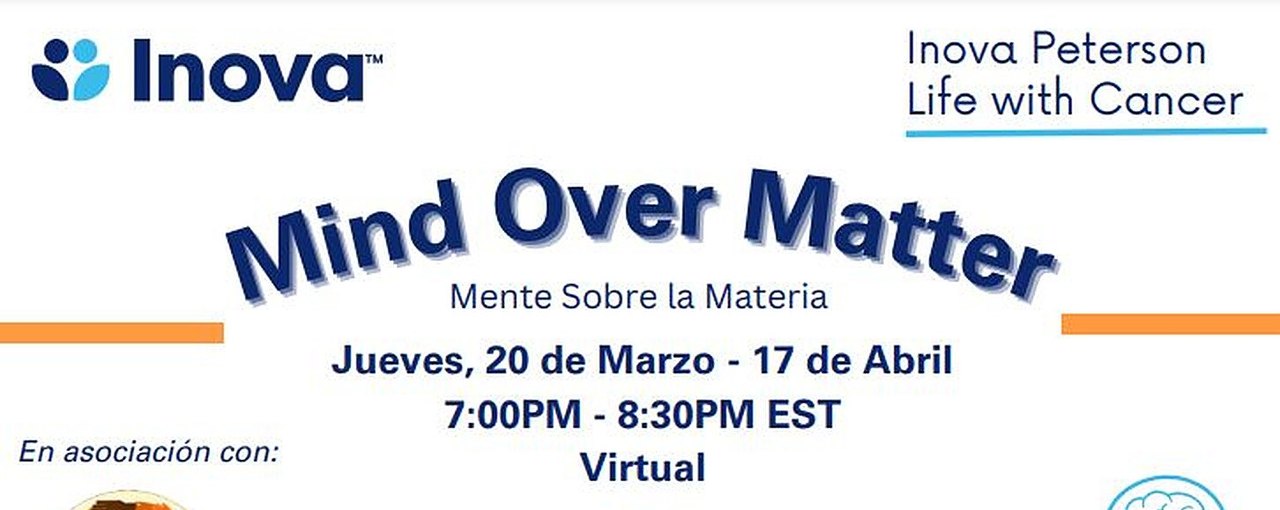
Mente Sobre la Materia launched as a free, virtual program Spanish speakers can join from anywhere in the country. The work then became the foundation for a three-day virtual facilitator-training program that prepares bilingual mental-health professionals to offer it in their own communities — with bilingual manuals, slides, participant materials and relaxation recordings.
Open to Spanish-speaking patients nationwide.
Patients and caregivers both have a place.
Adapted with Parkland Hospital in Dallas.
Other organizations can now bring it to their communities.
Every patient deserves access to the support they need, in the language they feel at home in.
I research and design programs that feel made for people, not translated for them — starting in the language they feel at home in.